Medical Assistant Training: What You Need to Know Before You Enroll
If you’ve been researching medical assistant training, you’re not alone. The honest picture: it can feel like a lot at first, but it’s absolutely manageable with the right medical assistant training program and support.
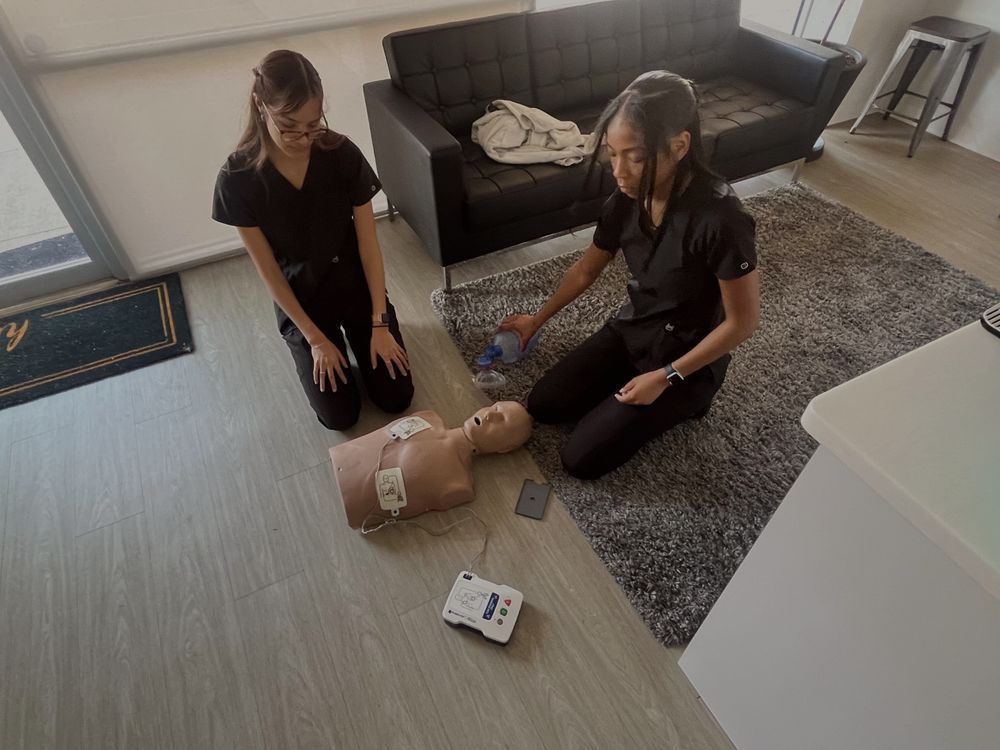
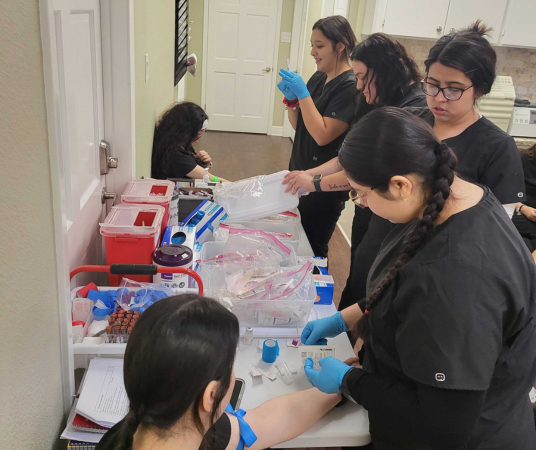
At Fort Myers Medical Assistant School, our goal is to make medical assistant training clear, step-by-step, and hands-on—so you build confidence quickly and move toward your first medical assistant job.
Why medical assistant training can feel intensive (at first)
Medical assisting is a real healthcare role, so you’re learning skills that matter:
- Working efficiently while staying calm with patients
- Learning clinical and administrative workflows
- Keeping safety and infection control top of mind
- Communicating clearly with providers and staff
The good news: these are skills you can build through practice—especially when your medical assistant training is organized in a way that helps you learn fast.
What makes it easier: structure + practice
Most students don’t struggle because they “can’t do it.” They struggle when they don’t have:
- A clear plan for what to learn first
- Enough supervised practice
- A way to connect classroom concepts to real tasks
That’s why a medical assistant training program that’s designed for beginners matters.
What you’ll learn in medical assistant training
Your medical assistant training typically includes:
- Clinical fundamentals (vitals, phlebotomy, EKG, infection control)
- Administrative skills (scheduling, records, patient intake)
- Patient communication and professionalism
- Practice workflow and teamwork
To see what our program covers, explore our program overview here: Medical assistant training program details.
“School for medical assistant”: how to know you’re choosing the right one
When people search for medical assistant schools, they’re really asking:
- Will I get hands-on practice?
- Will I feel prepared for my first medical assistant job?
- Is the schedule realistic for my life?
- Can I afford it without overwhelming debt?
If you want straight answers, reach out and we’ll walk you through what medical assistant training looks like at Fort Myers Medical Assistant School in Fort Myers: Contact us.
Ready to take the next step?
- Learn about the training: Program details
- See tuition options: Tuition & payment info
- Start your application: How to apply
You're only a few months from the medical assistant career you deserve.